
Northern California's Fly Fishing Retail, Travel, and Adventure Resource
(800) 669-3474
Shop Online
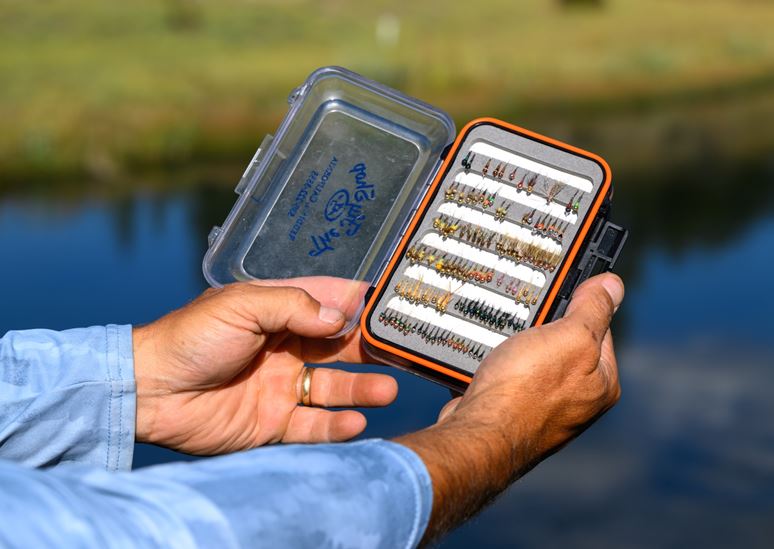
This catalog is America's number one source for fly fishing tackle. Offering signature equipment made by and for The Fly Shop® as well as the best products from the top manufacturers in fly fishing.
Shop Now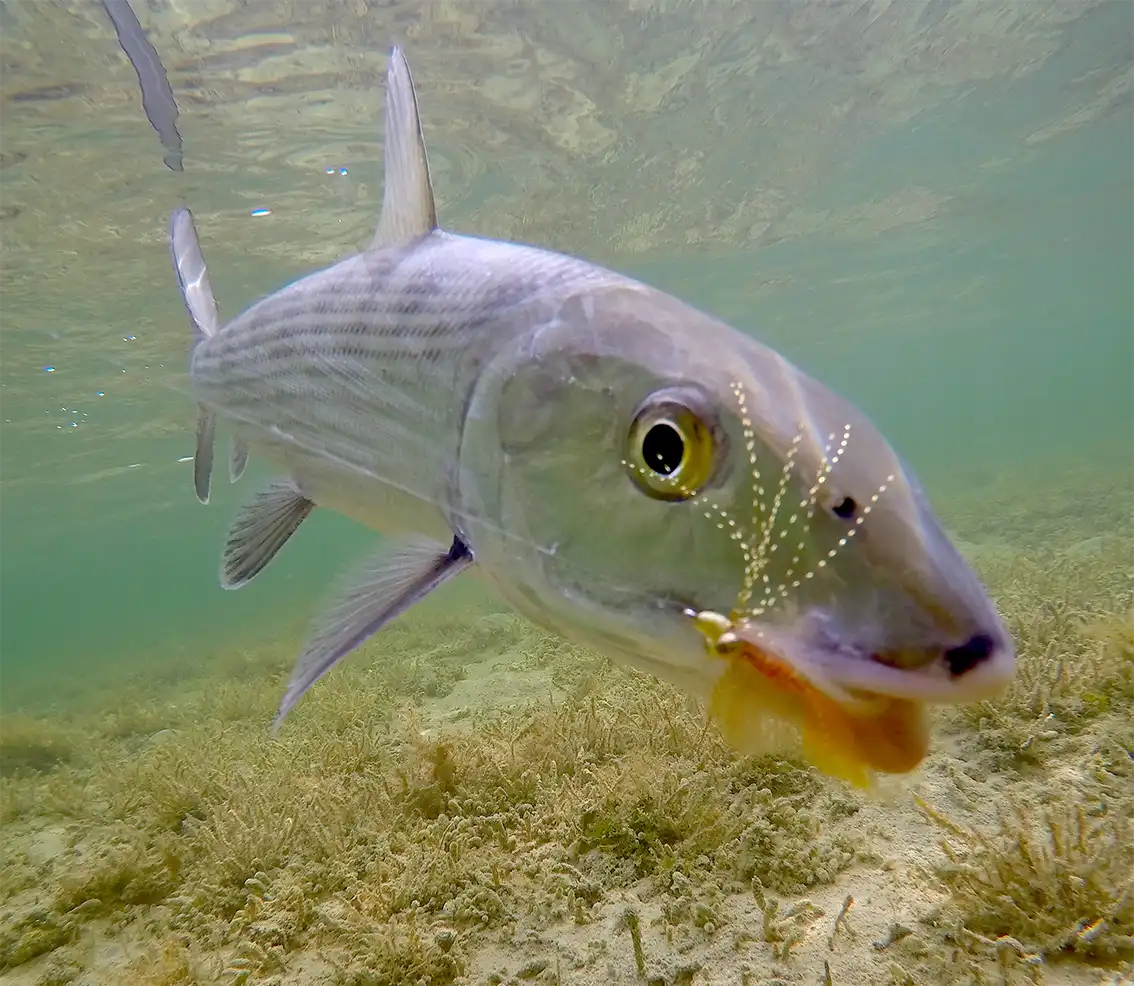
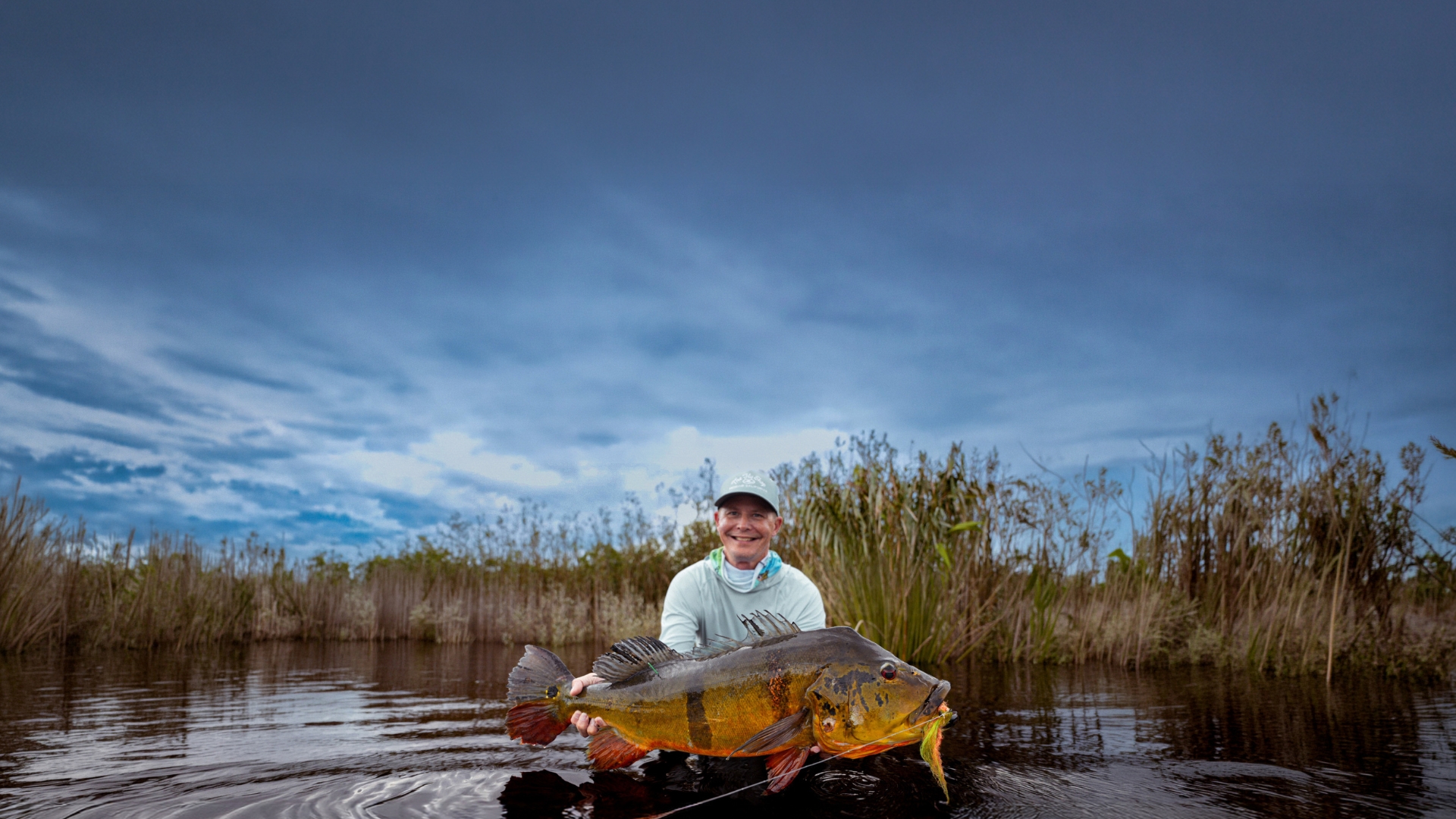
Fly Fishing Travel
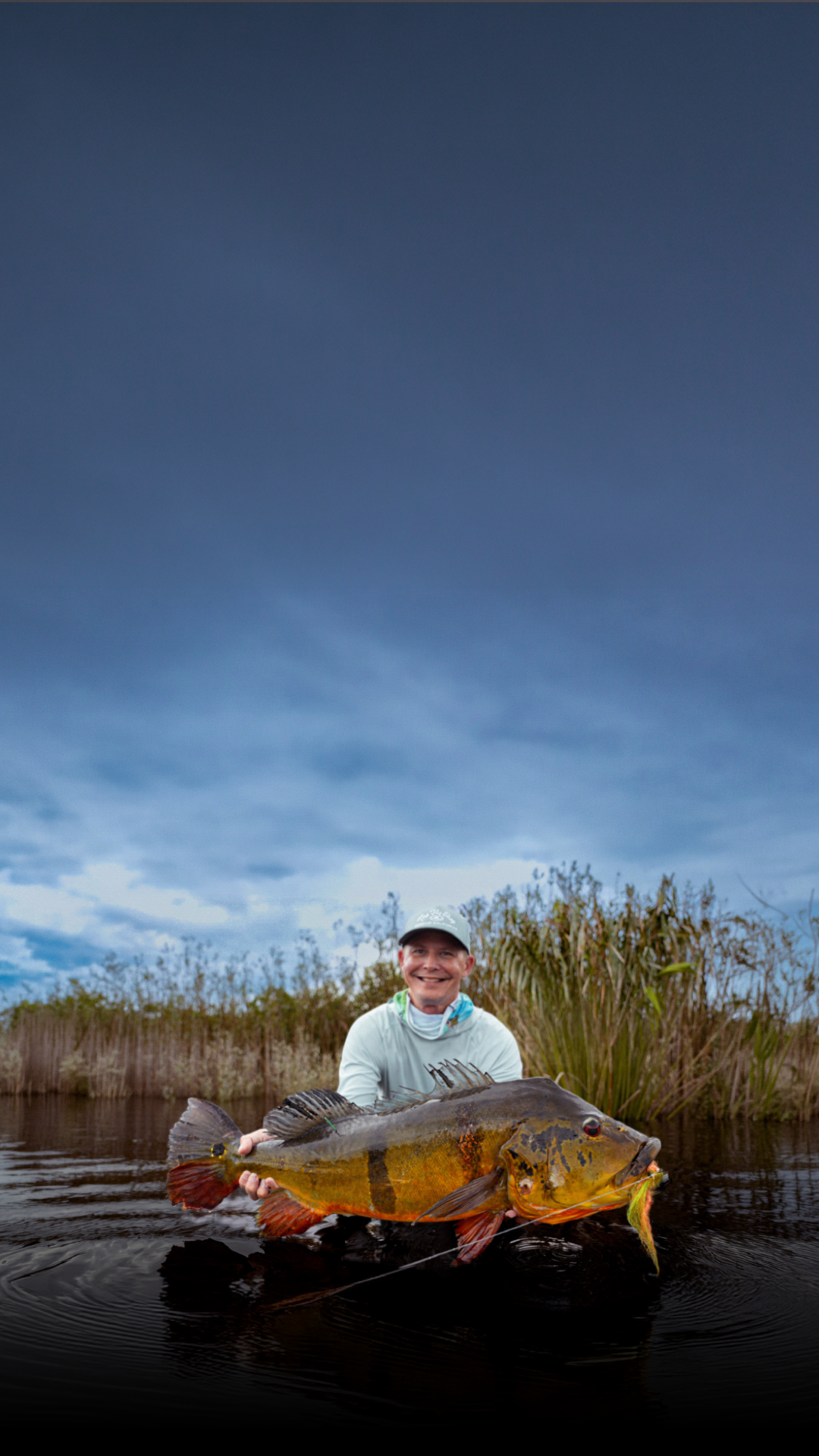
We’ve been guiding travelers to the world’s finest fresh & saltwater angling destinations for nearly half a century. Put more than 150 years of collective international fishing travel to work for you!
Learn More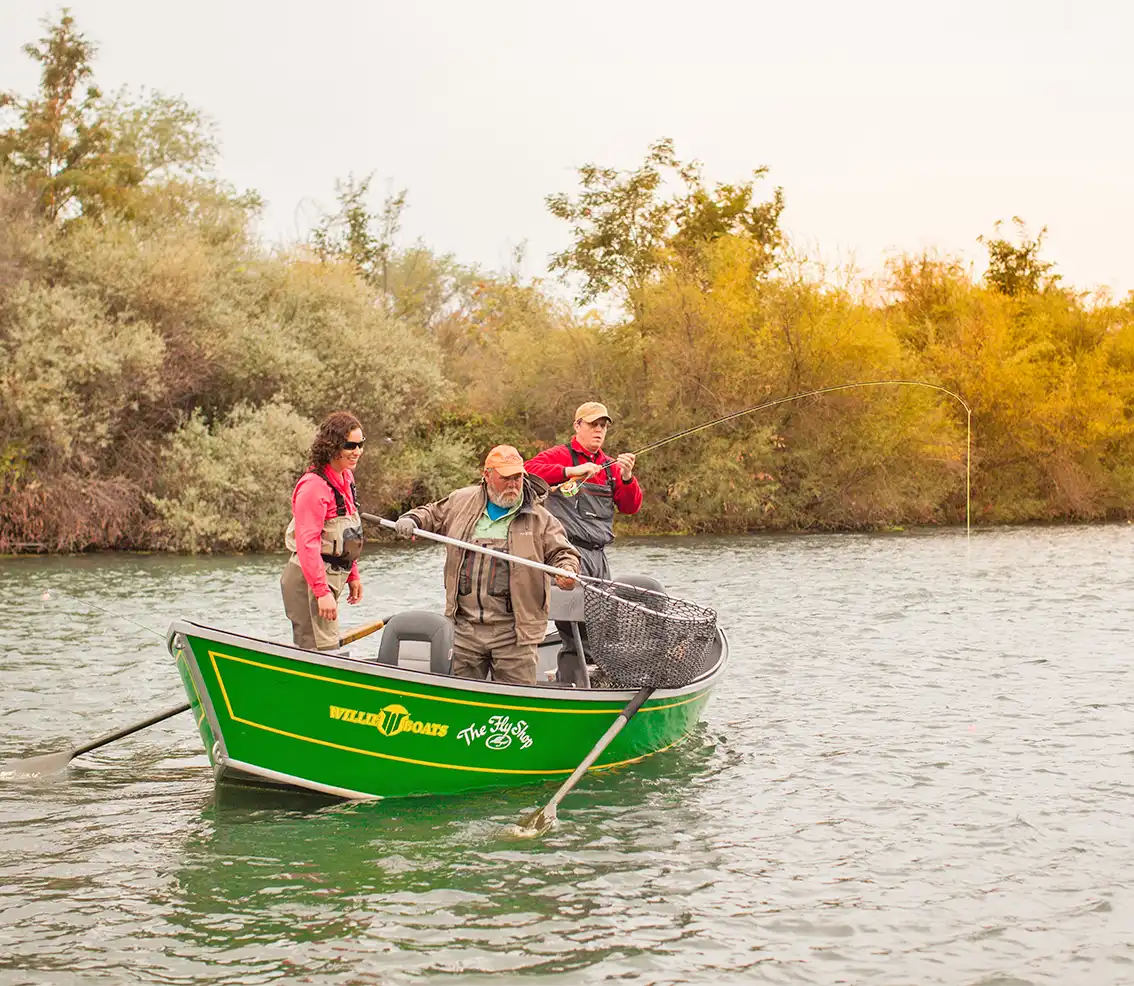
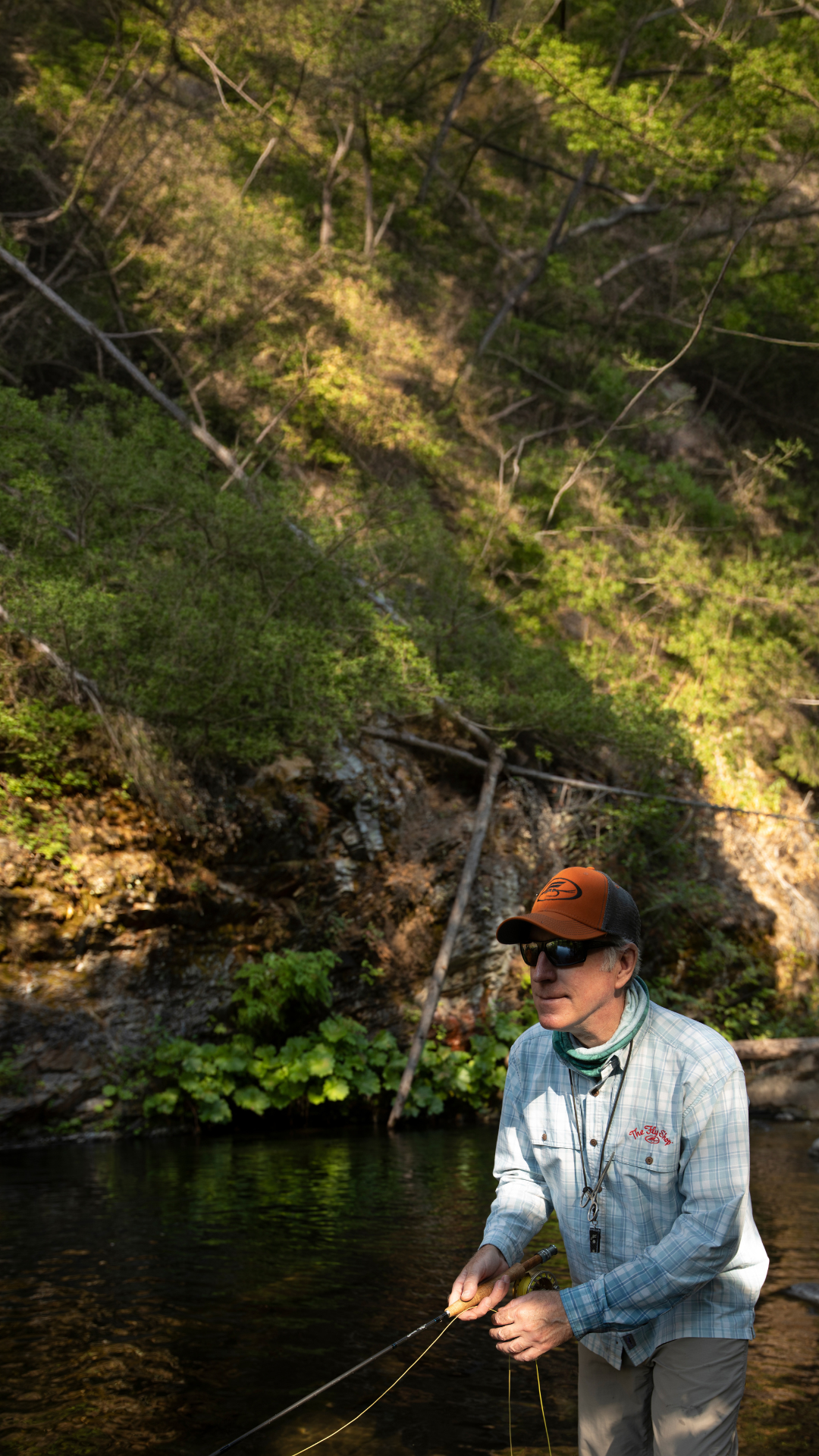
Guided Fly Fishing
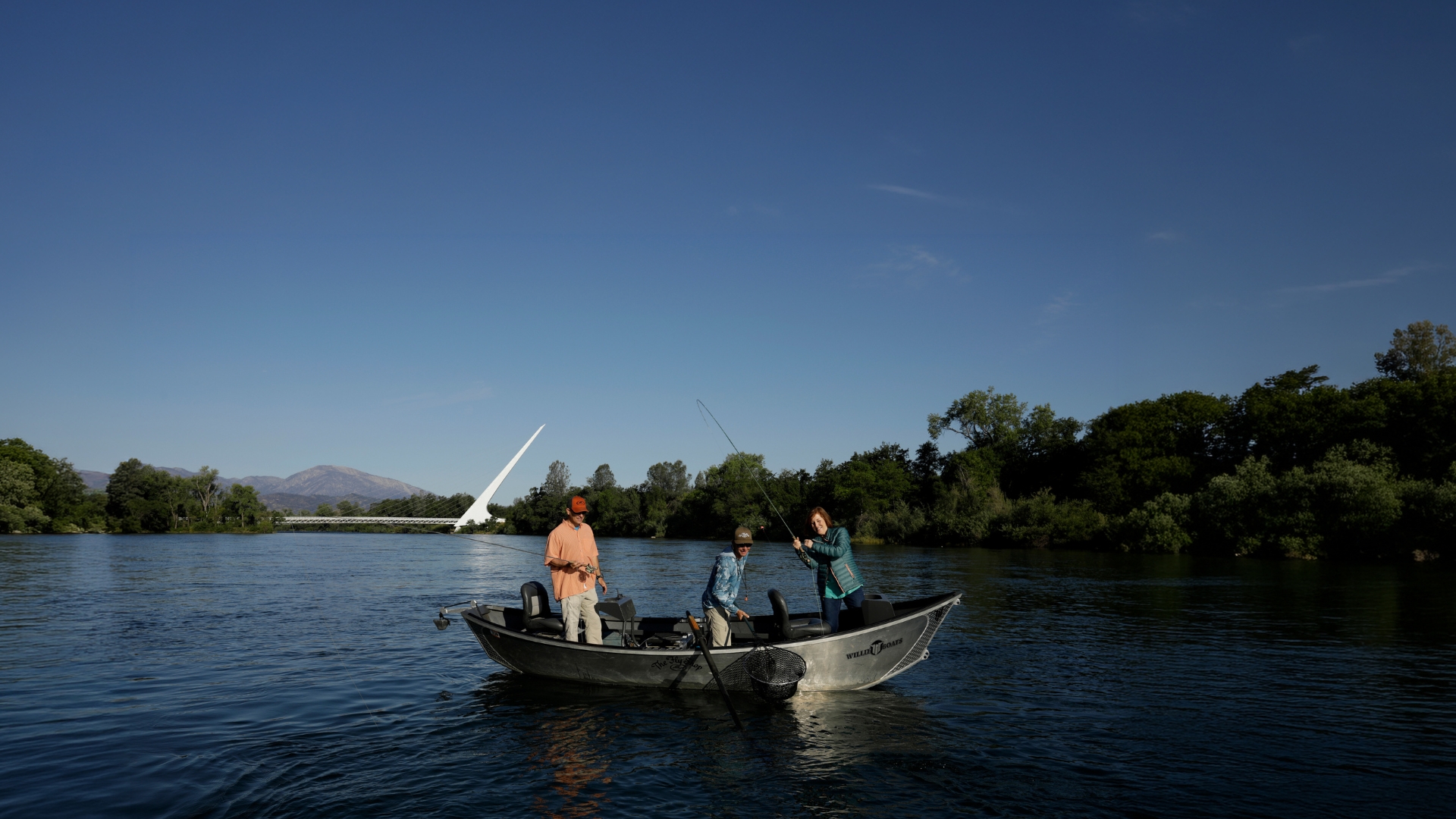
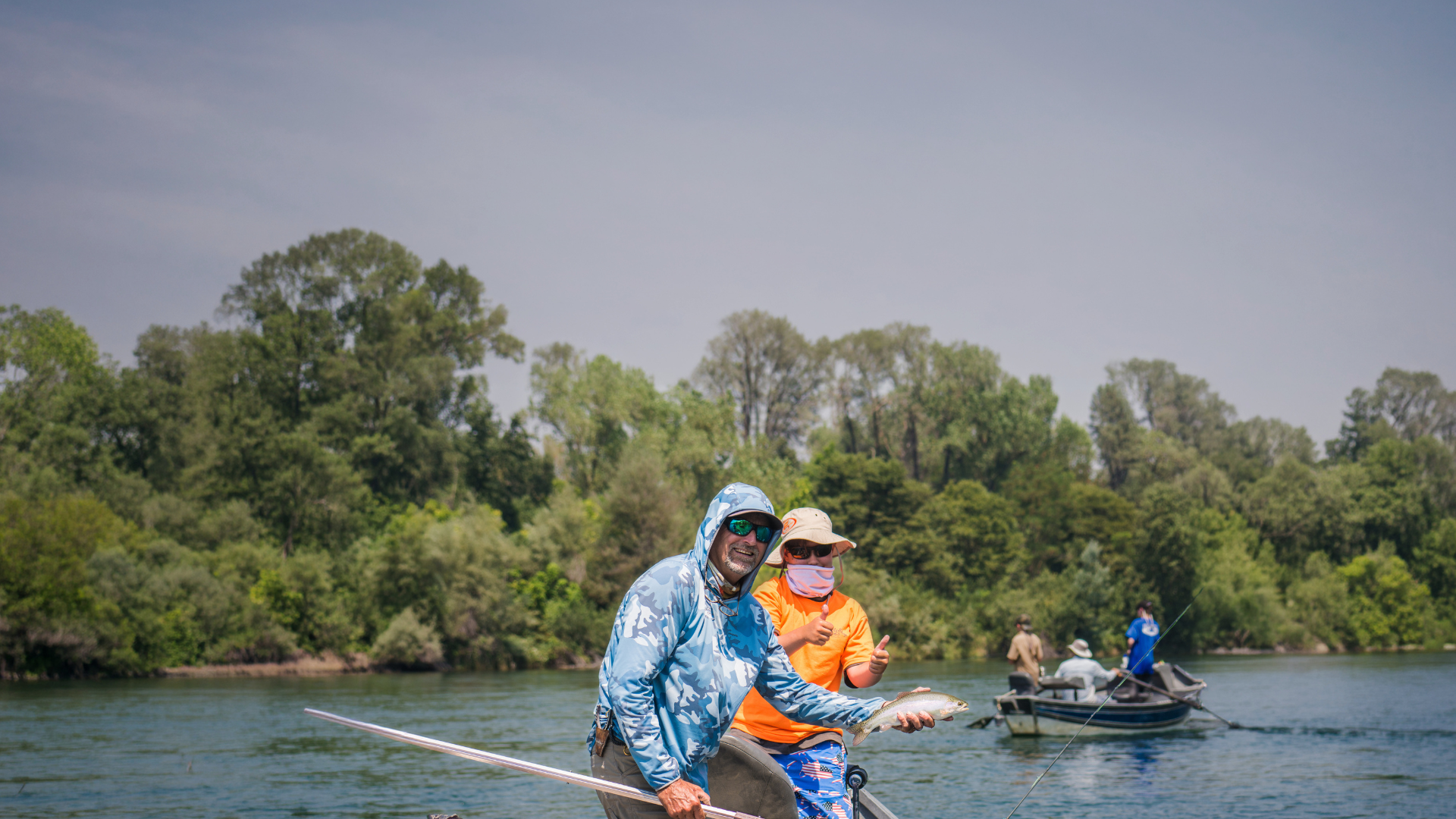
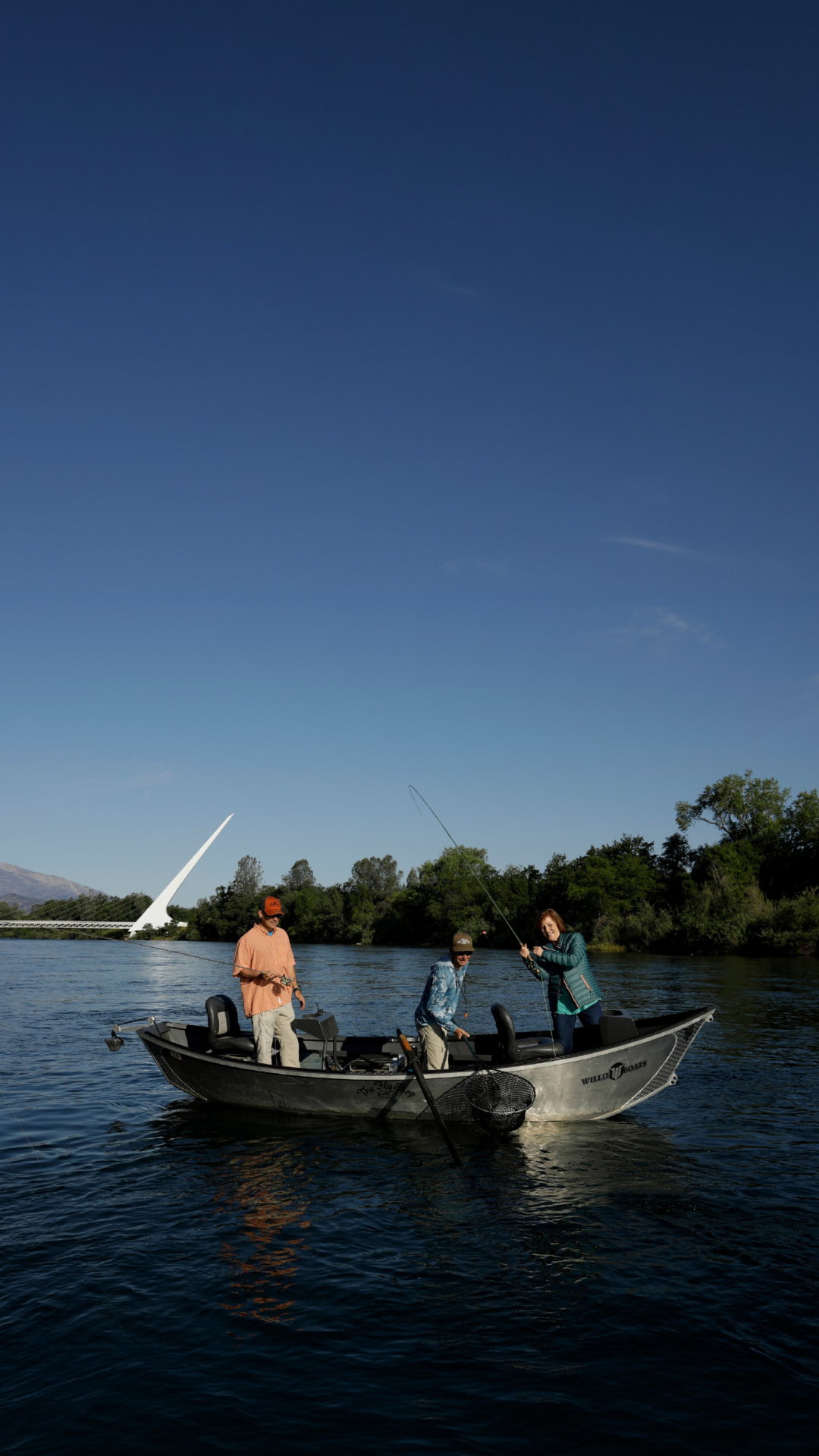
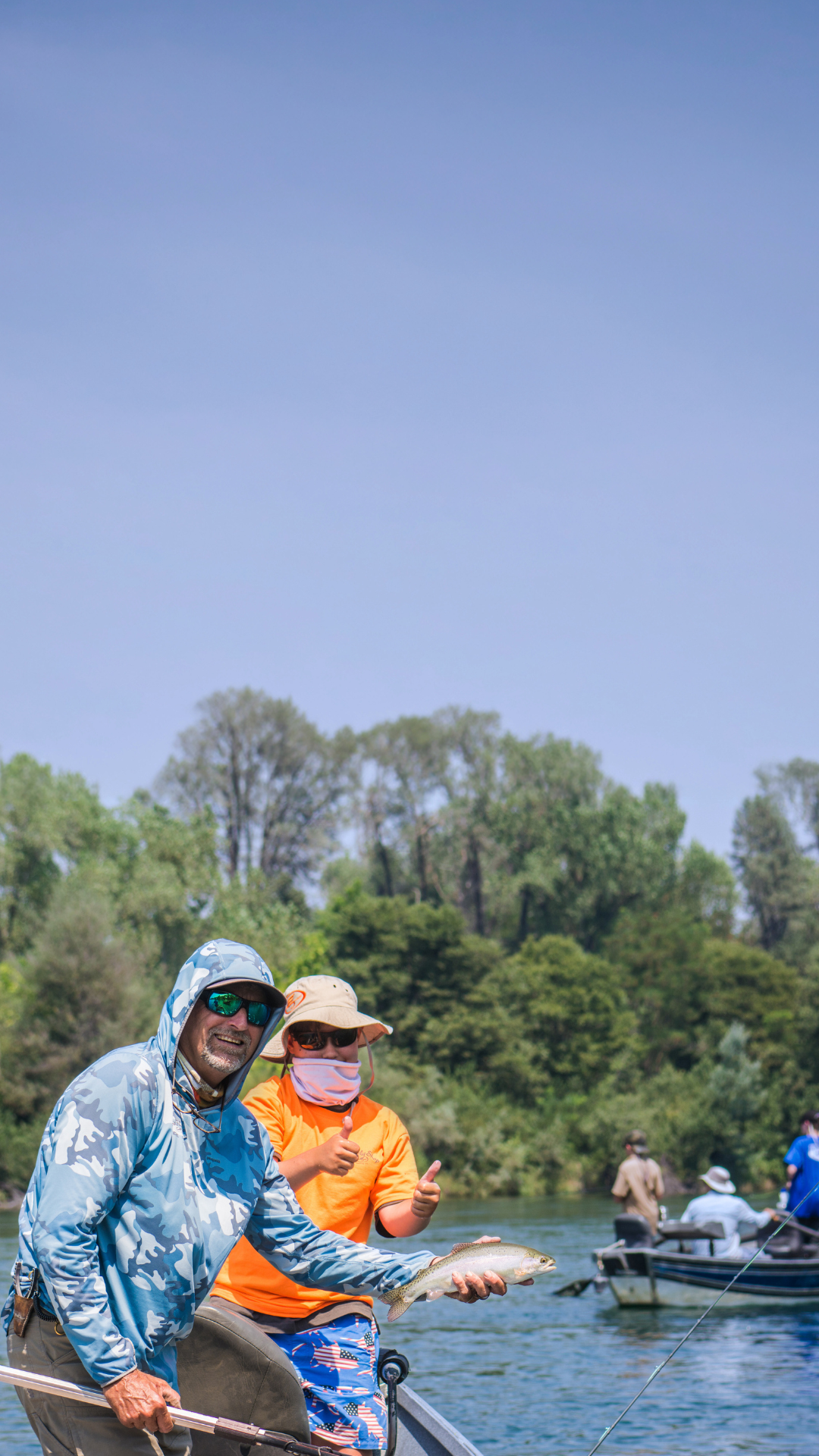
Our professional guides work together as a team, sharing information with each other daily, combining their talents, ideas and everyday experience. It’s why we are the most successful fly fishing guide service in Northern California.
Learn More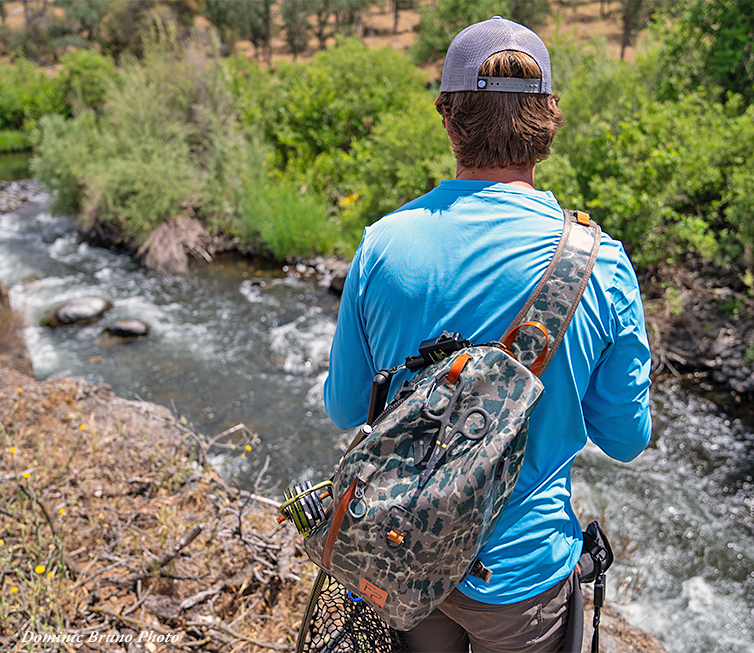
Private Waters
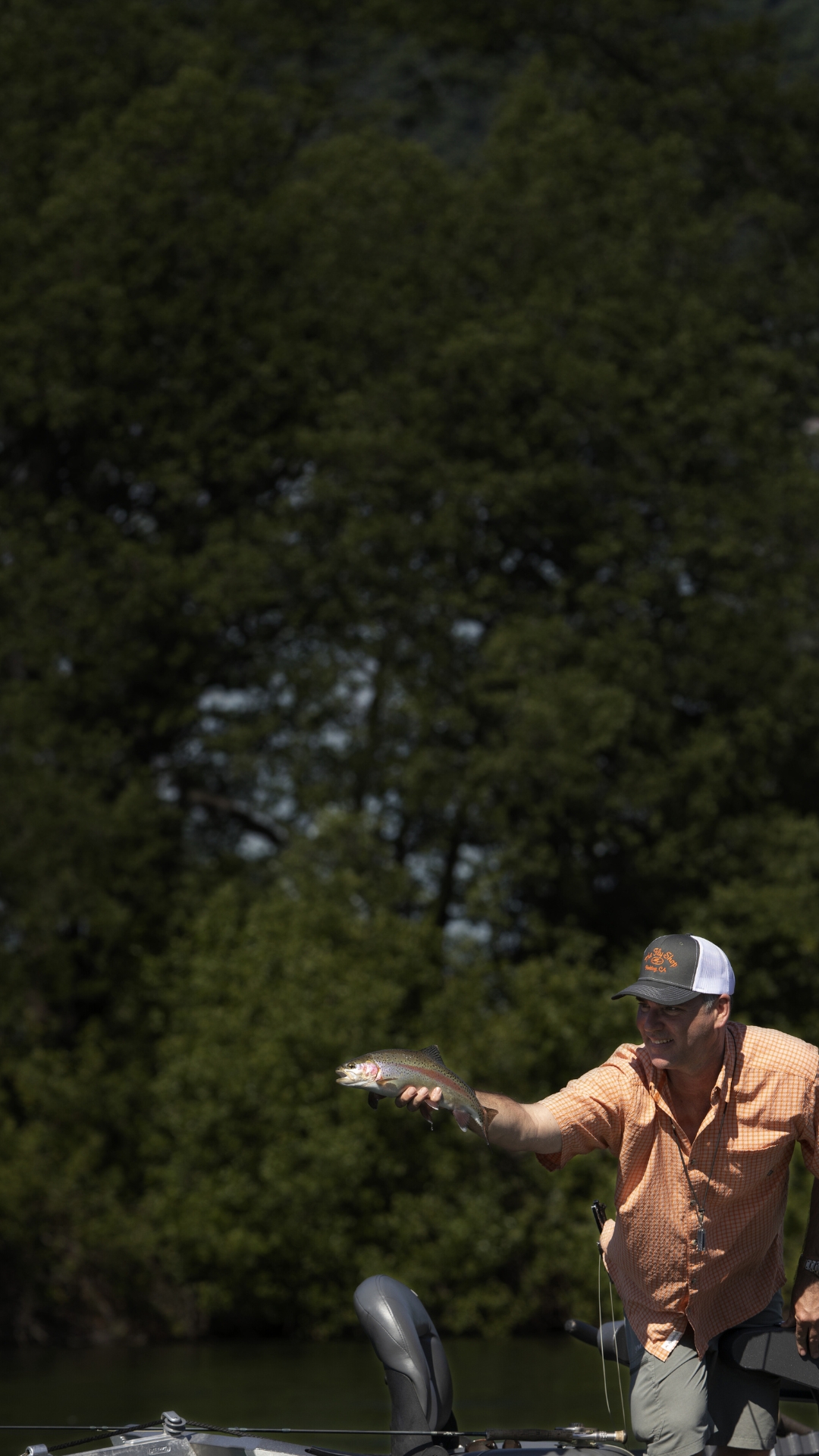
Since 1984, The Fly Shop® has delivered exclusive access to Northern California’s most pristine private fisheries, advancing catch-and-release for memorable angling adventures.
Learn More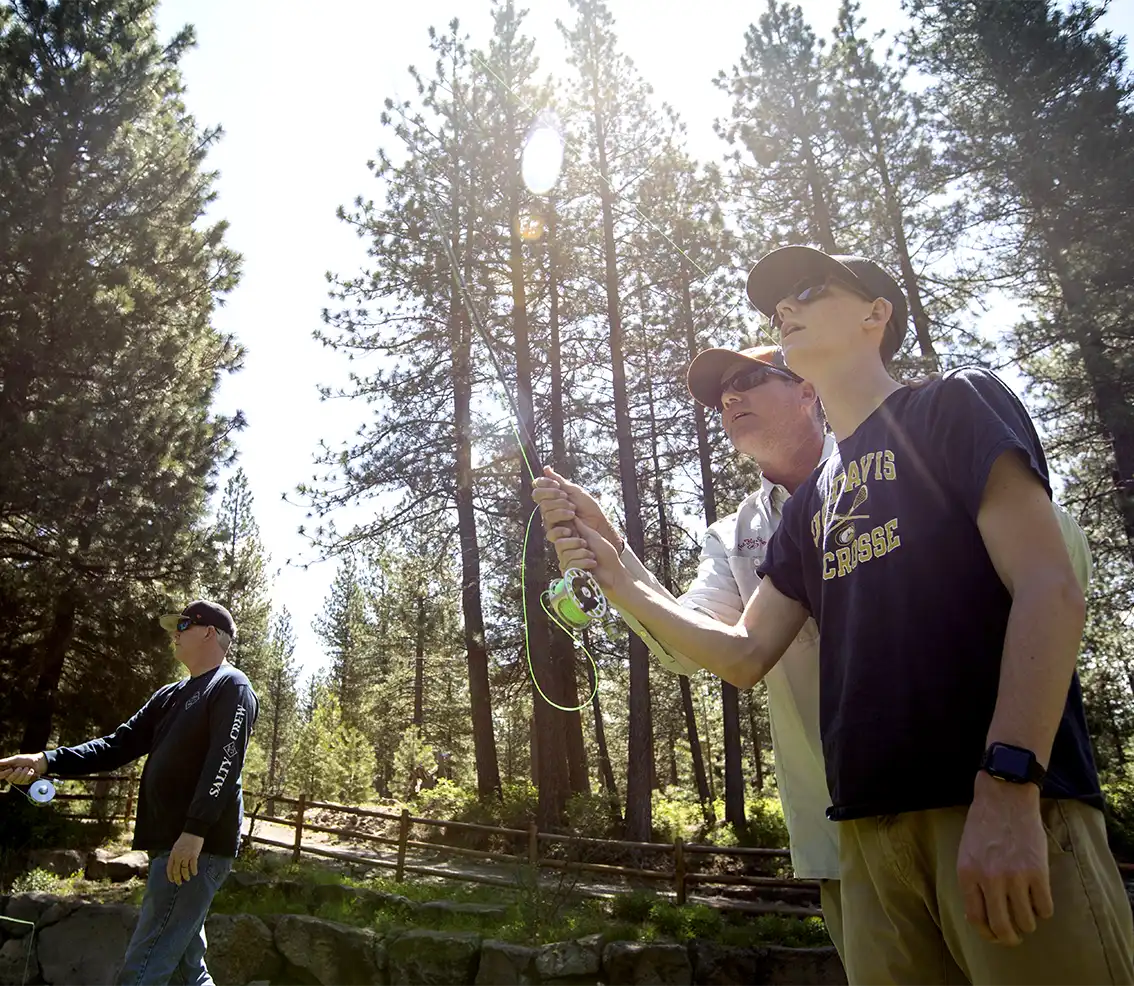
Fly Fishing Schools
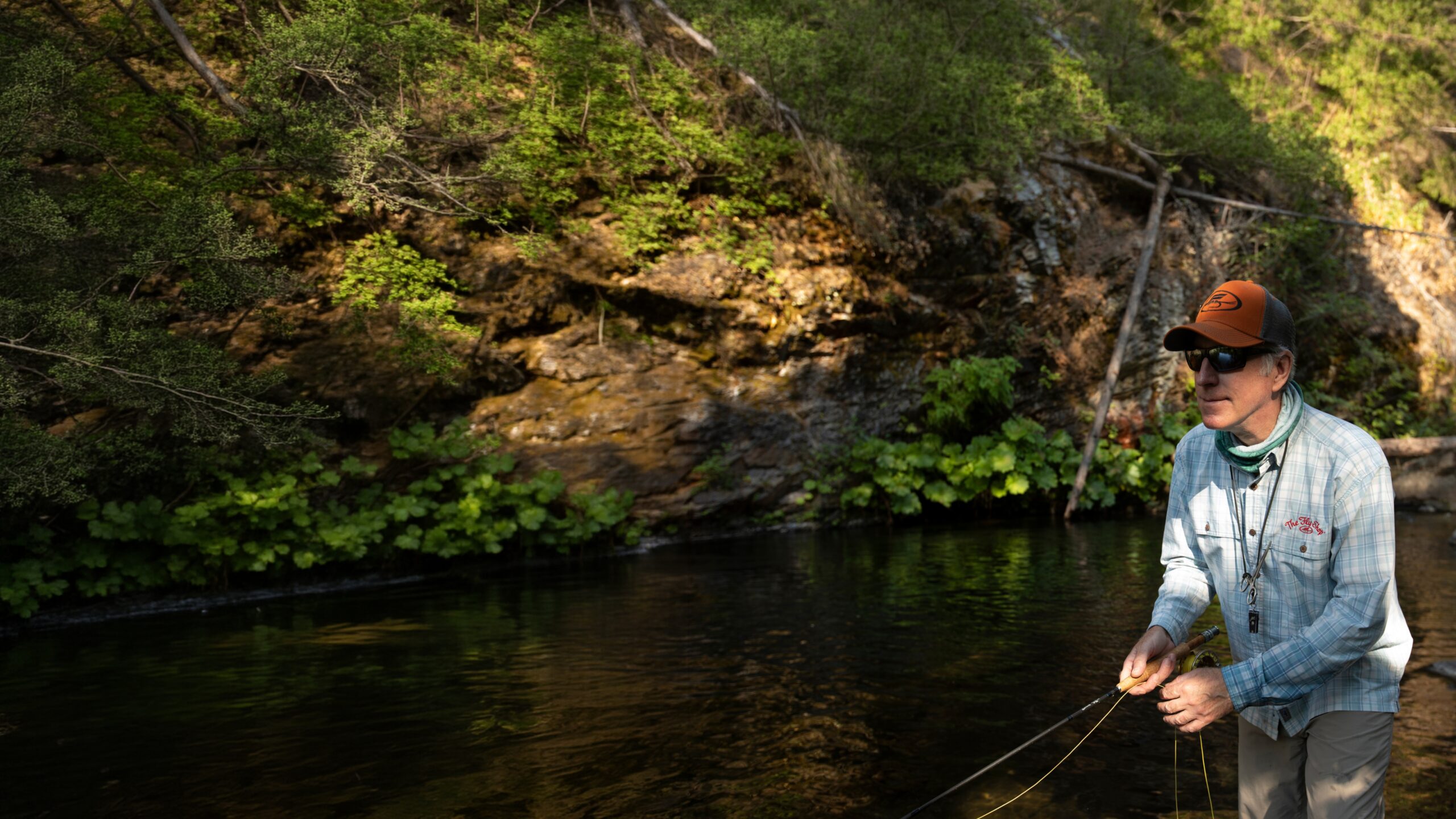
From learning casting techniques to locating where the fish prefer to dine, at our fly fishing schools you will learn what’s necessary to be successful.
Learn More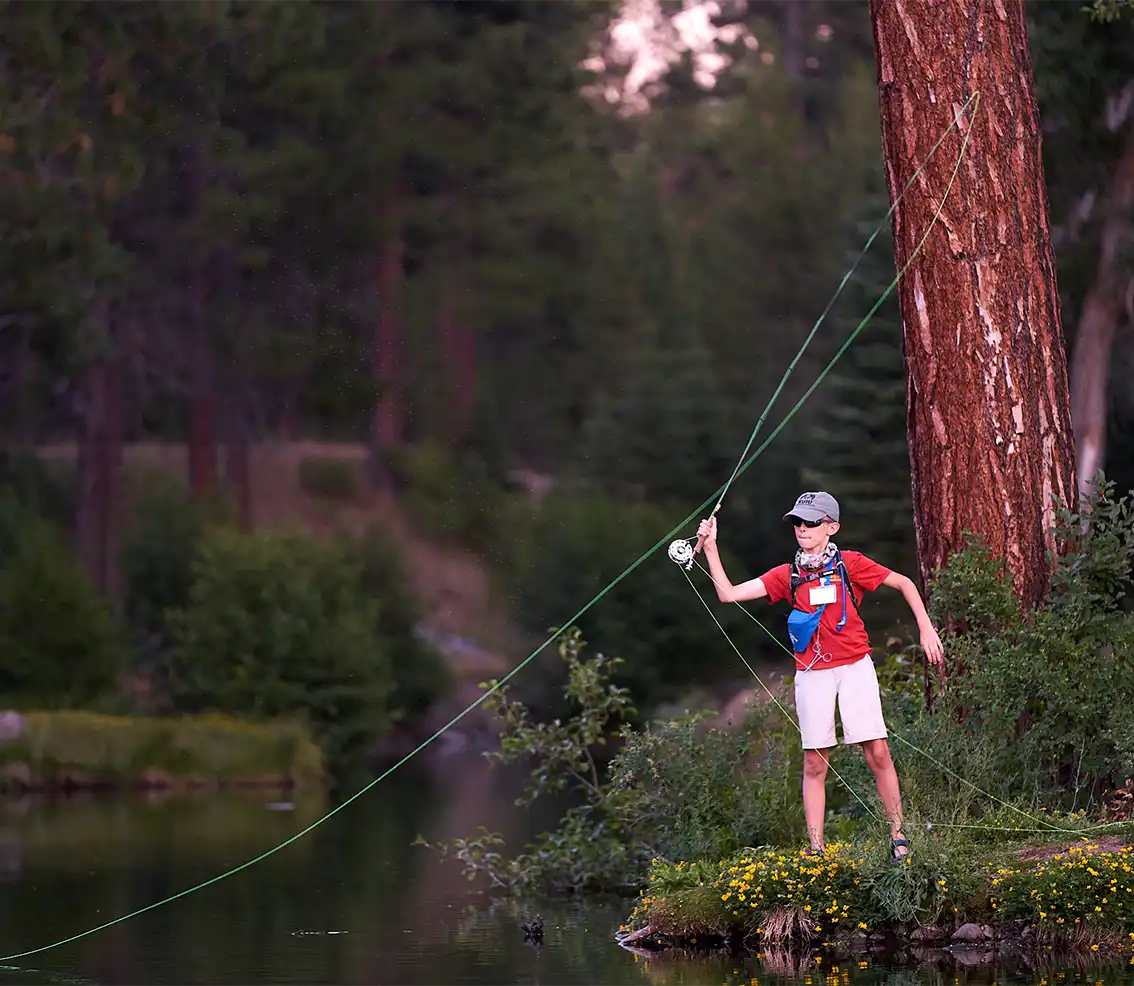
Fly Fishing Camps
Our award-winning summer camps are located in the perfect outdoor campus. It is the ideal way for young boys and girls (age 10-15) or kids with their families to learn to master and enjoy the sport of fly fishing.
Learn More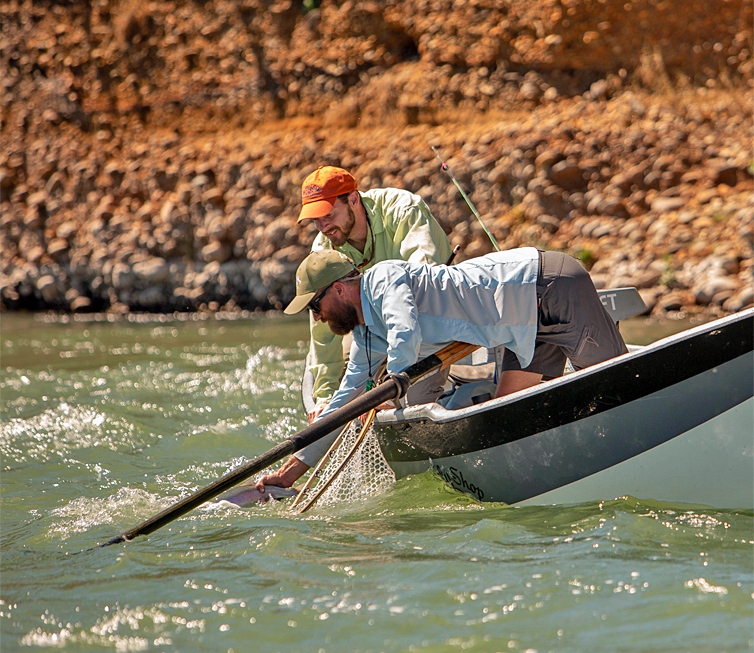
Stream Report
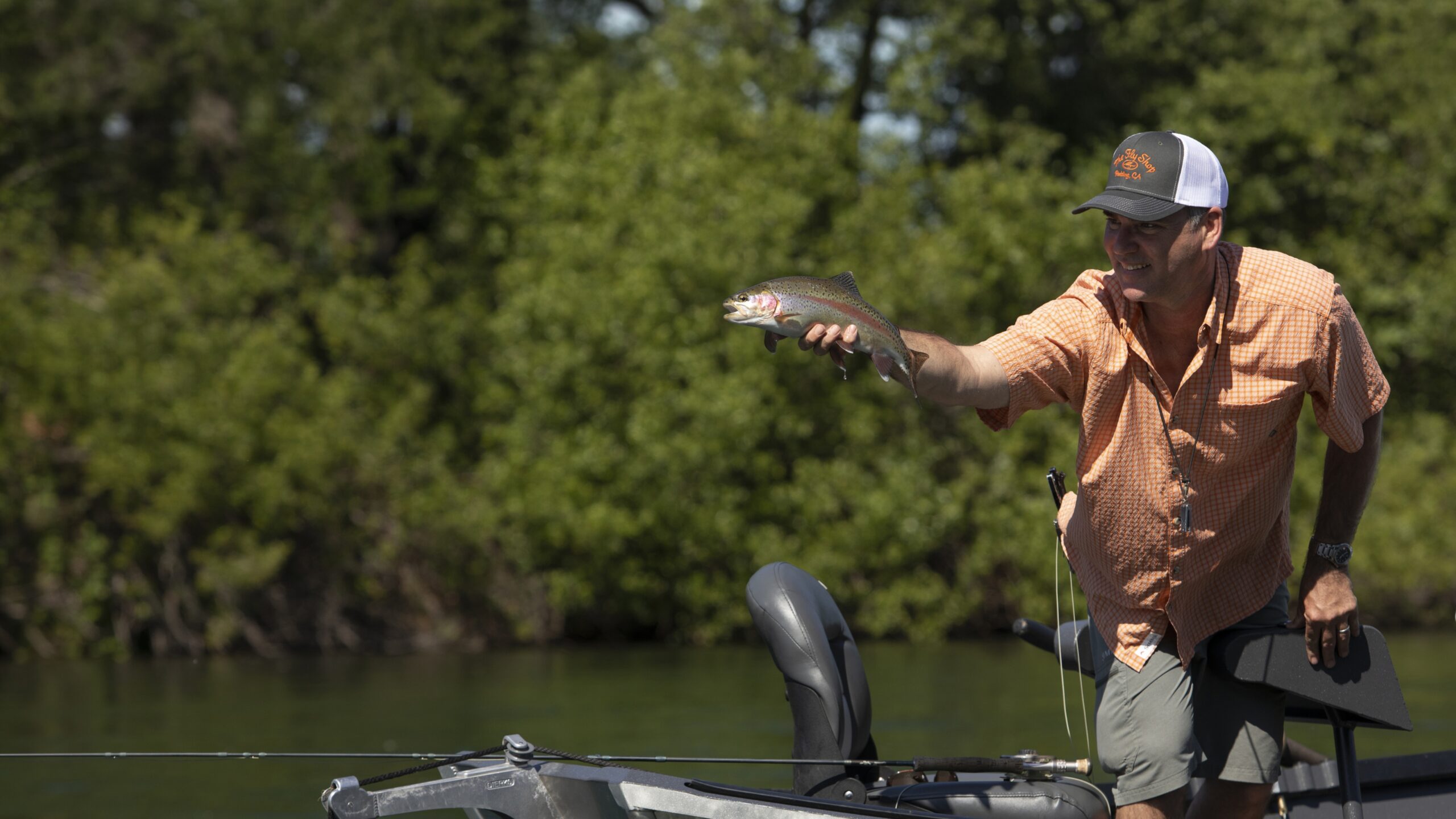
There are several hundred miles of rivers, creeks, lakes and streams within easy striking distance of The Fly Shop® in Redding. Get the recent reports on local fisheries.
Learn More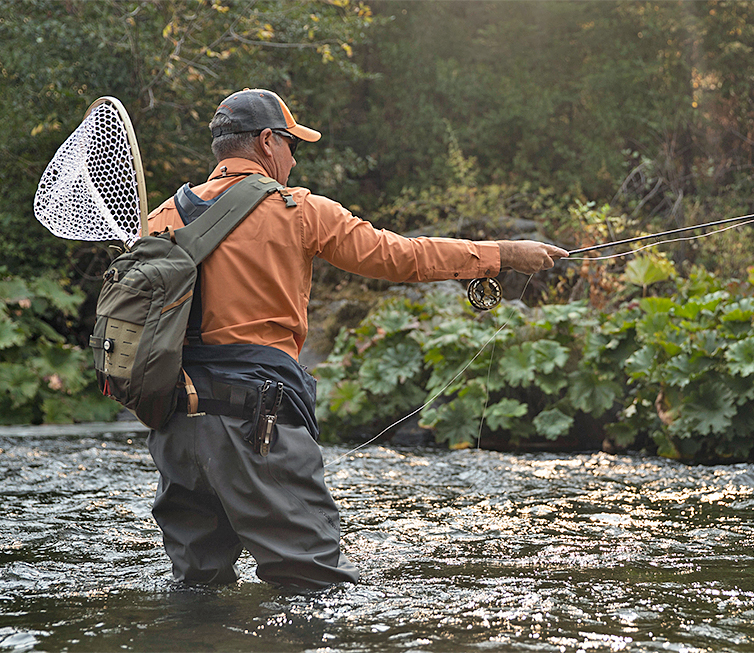
Fly Fishing News
The fly fishing stories, biographies, travel chronicles, photo essays, fly tying stories, technical reviews, tips, fishing reports, and news that are a collaborative effort of The Fly Shop’s talented staff and over 47 years of serving fly fishers.
Read More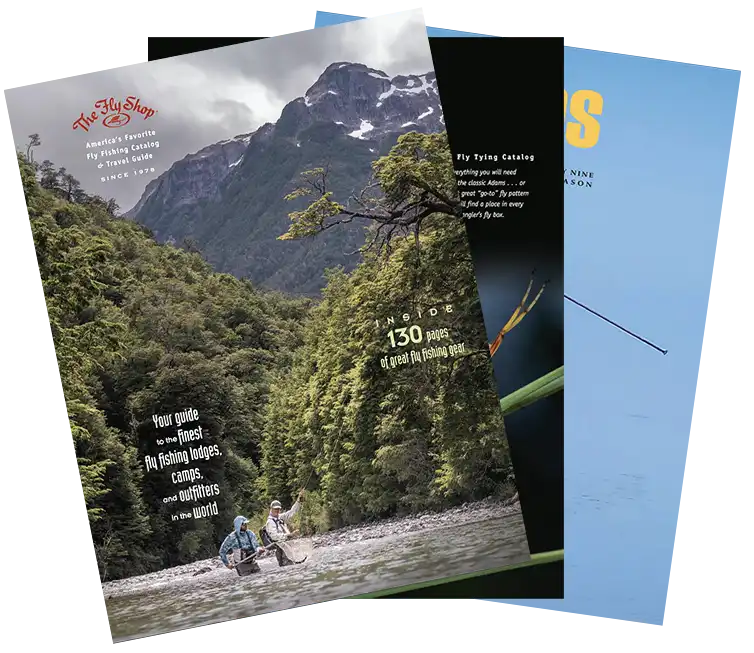
Publication Request
The Fly Shop has chosen to separate our annual catalog into different specialty magazines, each dedicated to specific interests of our clientele.
Get PublicationsShop
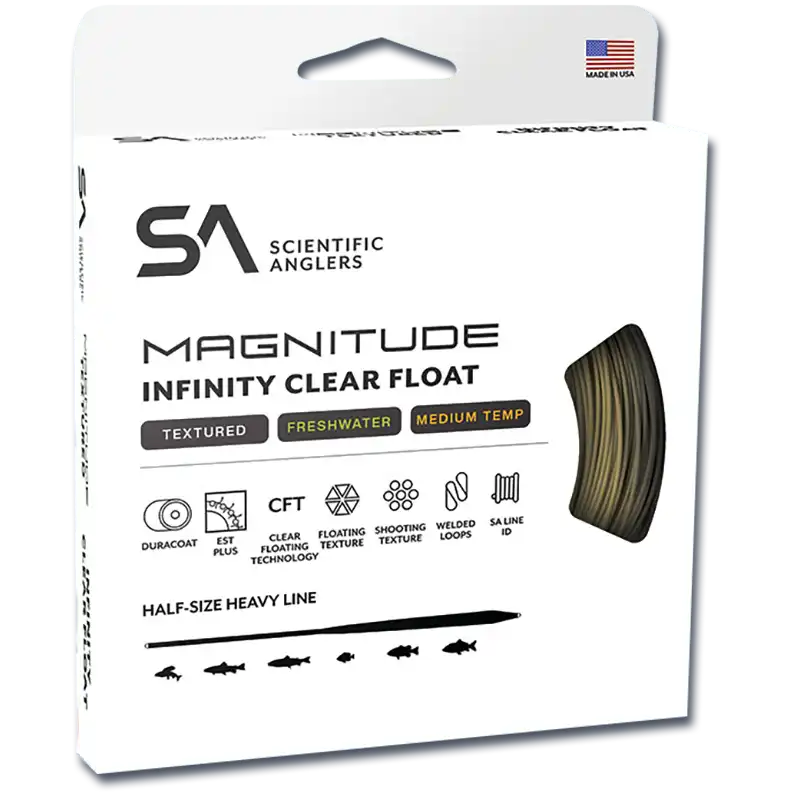
Clear Tip Trout Fly Line
The 10’ clear floating tip allows for the ultimate stealth when presenting flies to highly pressured fish.
View Product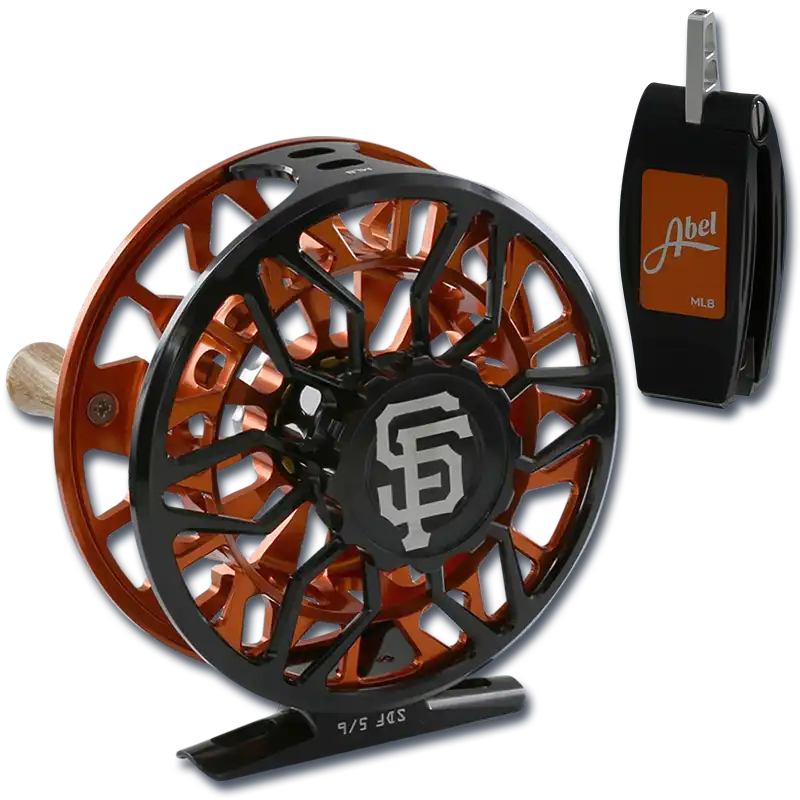
Abel SF Giants Reels
Now you can showcase the loyalty for your favorite Major League Baseball Team combined with your love of fly fishing.
View Product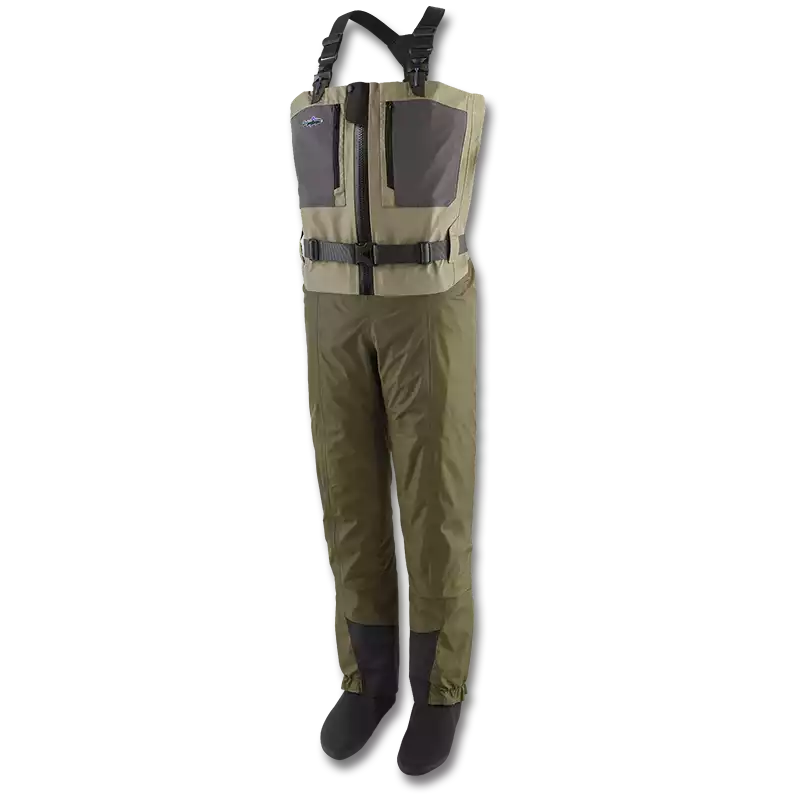
Traverse Zippered Waders
Engineered for versatility, these waders excel in both overland and in-water approaches. Built for years of work.
View Product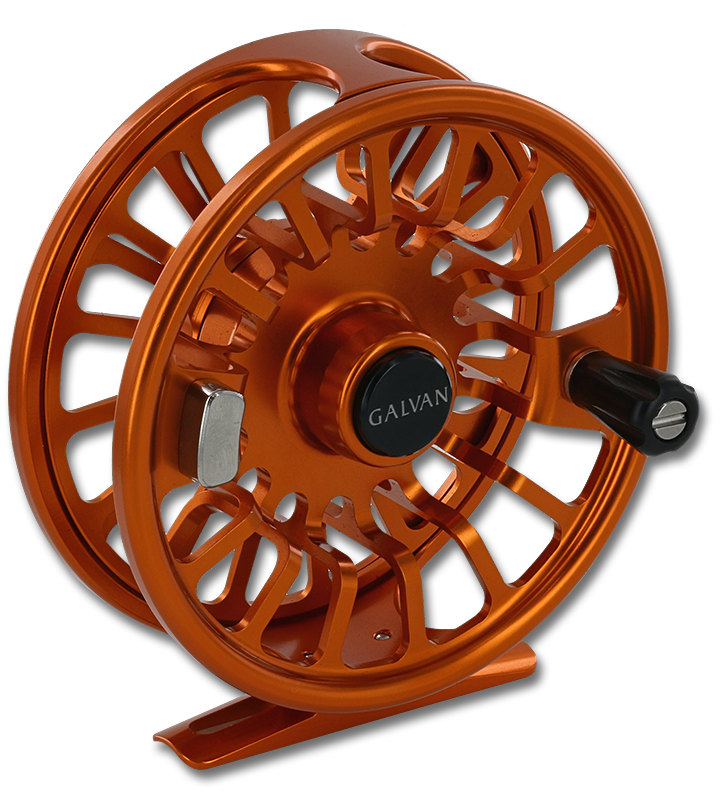
Reels
Quality reels. Great for saltwater, freshwater. Spey and specialty. The best brands!
View Product
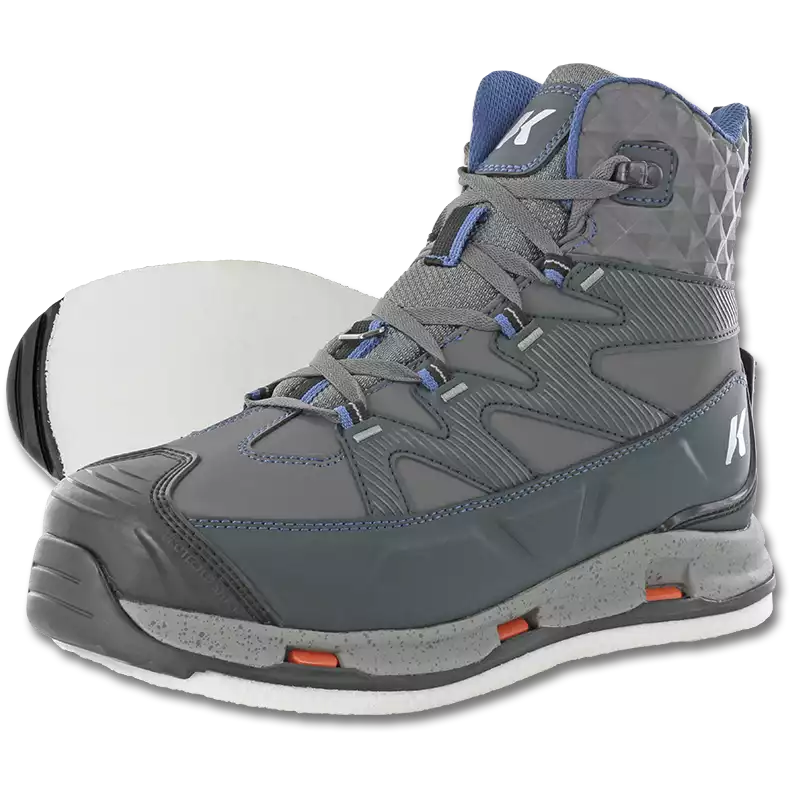
Wading Boots & Shoes
Offering the best quality wading boots and shoes for every wading experience
View Product
Waders
An excellent selection of men's and women's waders from Patagonia, Skwala and Simms
View Product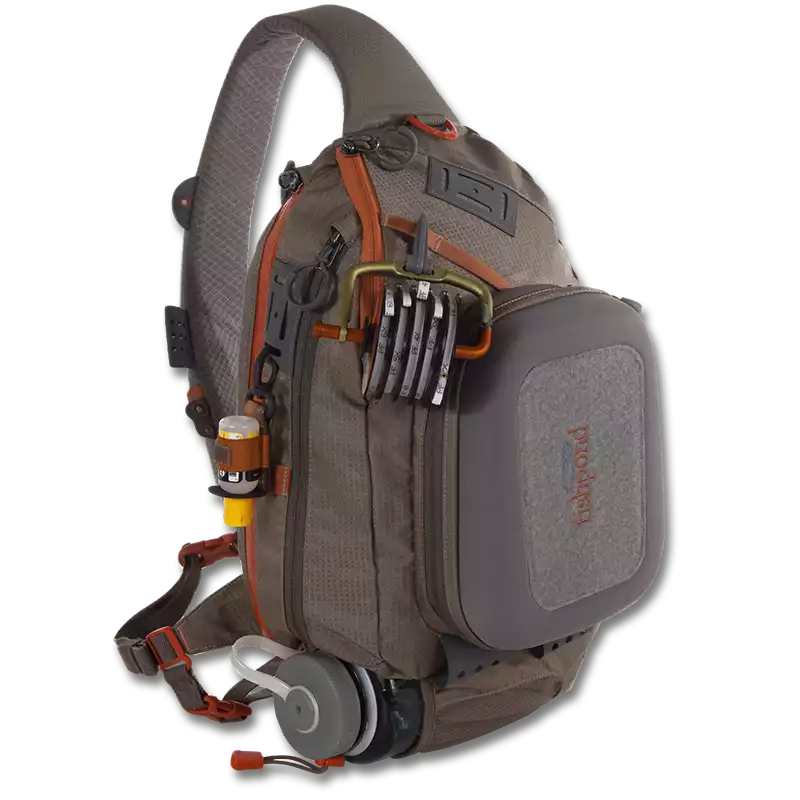
Luggage, Bags & Packs
Every bag a fly fisherman could need from Fishpond, Patagonia and Simms
View Product
Gift Cards
Looking for a great gift for the angler in your life? A The Fly Shop gift card is that perfect gift.
View Product